

The Vocabulary of the Moon
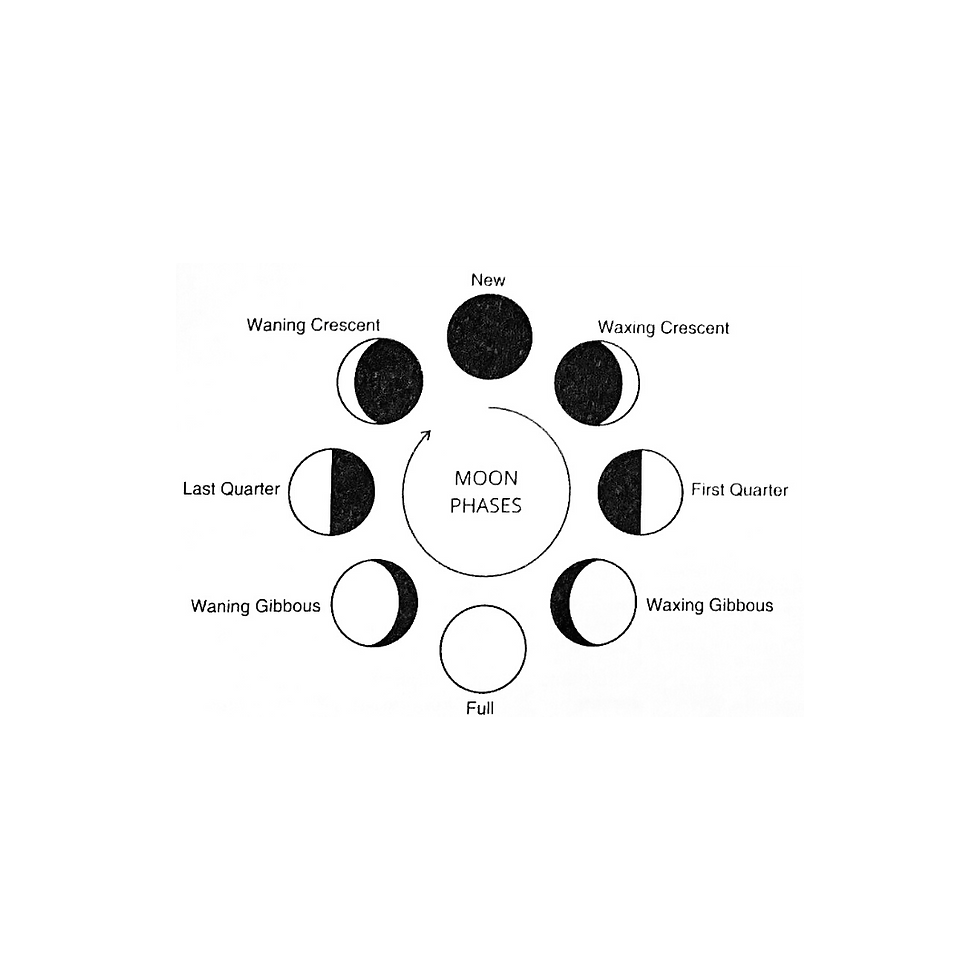
A big challenge in learning how to plant by the signs is to be able to “decode” the words and phrases used by different people at different times. This post looks at the variations I’ve found both from talking with elders who still practice this tradition in southern Appalachia and also reading almanacs and the backs of agricultural calendars. What you hear in your area may be a bit different. In fact, I’ve heard planting by the signs called planting by the moon and even moon farming. All three systems used the phases of moon and its position in the zodiac to determine the best (and worst) days for farm chores. That’s the nature of folklore.
Also, keep in mind that planting by the signs is astrology not astronomy, so the folk practice won’t mirror the exact same terms you’d learn in an astronomy class. In fact, sometimes they are very different.
1. Waxing or Waning Moon. One elder told me he’d never heard the words waxing or waning till he came to my workshop. He said his family always used, “Getting bigger or getting smaller.” Likewise, agricultural calendars sometimes use the term “increasing” for waxing and “decreasing” for waning.
2. Dark/Light of the Moon. I’ve also heard these called Old of the Moon, New of the moon or “The Dark Moon rules”…”The Light Moon is in force.”
This term can a couple of meanings, so ask more questions if you hear it in conversation.
· The entire waxing or waning period. For example, The Farmer’s Almanac defines a Dark Moon as the “The period before the New Moon, or from Full Moon to the New Moon, which lasts about 14+ days.” The Light moon is the period before the Full Moon, or from the New Moon to the Full Moon – also about 14 days.
· The specific DAY the moon changes quarters, and especially when it moves to New or Full.
3. Last Quarter Moon. My agricultural calendar from the American Calendar Company uses this term (Last Quarter Moon), but I’ve also heard it called Half Moon, Third Quarter Moon, or even Fourth Quarter Moon, in conversation.
4. Crescent and Gibbous Phases. These intermediate phases aren’t usually indicated on the monthly pages of an agricultural calendar. But these terms are useful for understanding the lunar cycle.
5. Symbols. In most agricultural calendars and almanacs, only four primary phases are noted using a vintage image of a man-in-the-moon.
a. First Quarter. A DARK image shaped like a backward C with face pointed to left.

b. Full Moon. A CLEAR circle with a face.

c. Last Quarter. A clear image shaped like a C with the face pointed to right.

d. New Moon. A DARK circle with a face.


Amazing knowledge